21 July 2026
Leaf Anatomy of Twenty Yam Cultivars from Nigeria: What Plant Anatomy Reveals About Our Staple Crop
A new study examines the leaf and petiole anatomy of twenty Dioscorea cultivars from Nigeria, uncovering key features that help identify and classify yam species — and highlighting the importance of yam genetic resources for food security.
Yam (Dioscorea spp.) is more than a staple food in Nigeria — it is a cultural and economic cornerstone. Yet despite its importance, the anatomy of yam leaves has received relatively little scientific attention compared to other aspects of the crop. A recent study published in Cell Biology and Development (2024) by Matthew and colleagues from Obafemi Awolowo University and the National Horticultural Research Institute set out to change that.
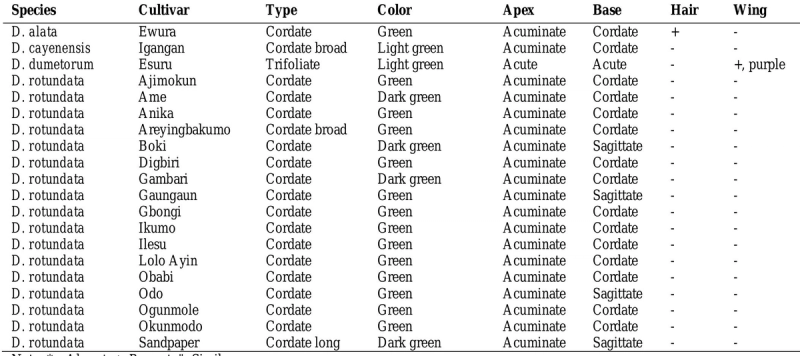
The Study The research team examined the leaf and petiole anatomy of twenty yam cultivars belonging to four major species cultivated in Nigeria: Dioscorea alata (water yam), D. cayenensis (yellow yam), D. dumetorum (bitter yam), and D. rotundata (white yam).
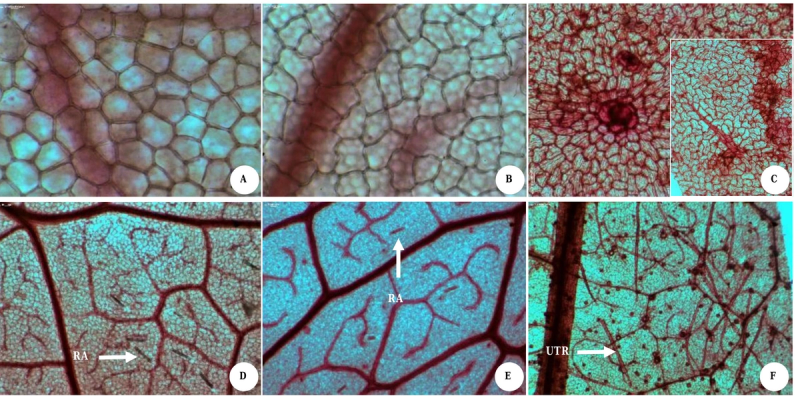
Using transverse sections observed under a light microscope, the scientists evaluated both qualitative features (what the tissues look like) and quantitative measurements (stomata size, density, and other numerical data).
Key Findings
- Hypostomatic leaves: All cultivars studied have stomata (pores for gas exchange) only on the lower surface of the leaf — a feature known as hypostomatic.
- Distinctive trichomes: Only D. dumetorum (Esuru) had unicellular trichomes (hair-like structures) on its leaves. This makes trichome presence a useful identifying marker for this species.
- Raphides: All species except D. dumetorum contained raphides — needle-shaped calcium oxalate crystals. Their absence in D. dumetorum provides another diagnostic feature.
- Winged vines: The wing character of D. alata (Ewura) stems was confirmed as a distinguishing morphological feature for the species.
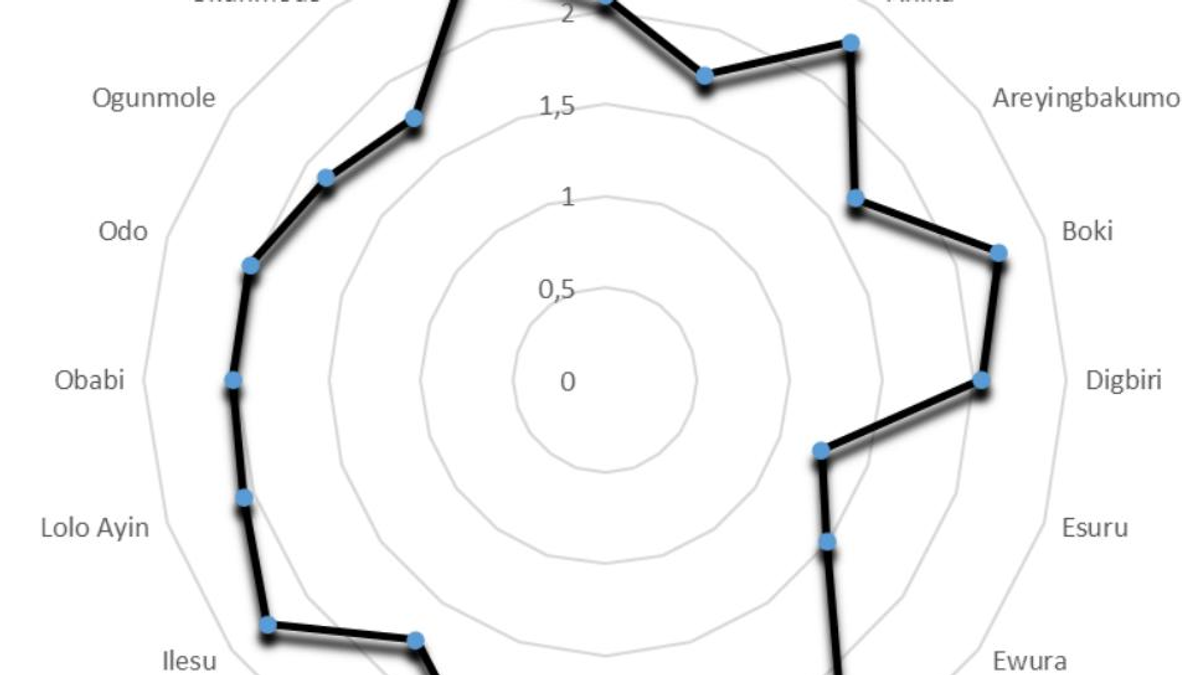
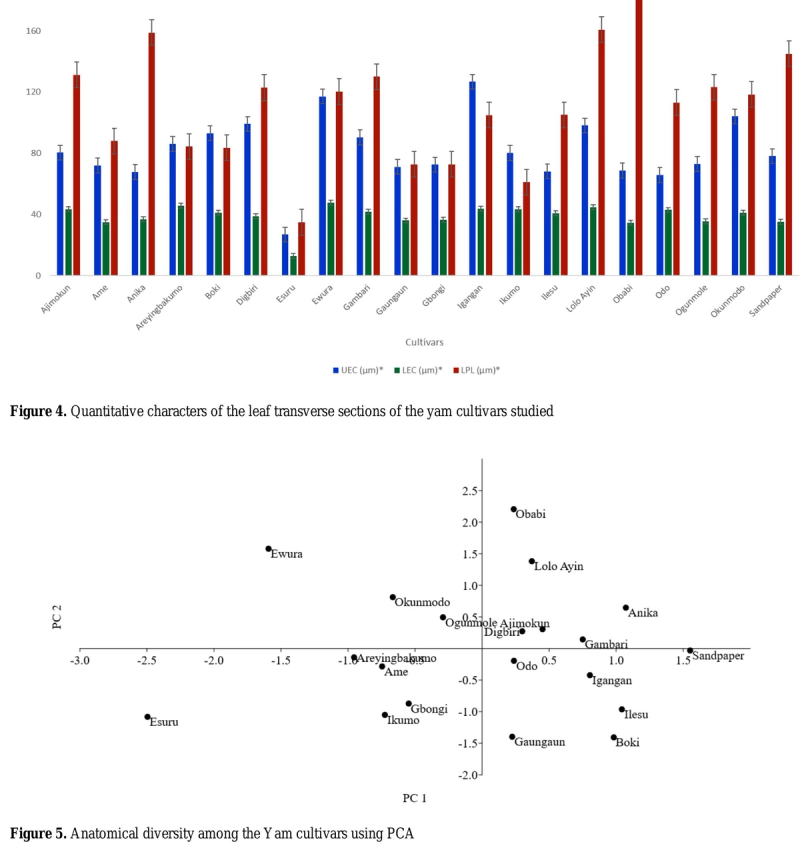
- Stomata area as a key trait: Principal Component Analysis (PCA) revealed that stomata area is the most important quantitative feature for distinguishing among yam species. D. rotundata had the highest stomata quantitative values.
- Close relationships: PCA also showed that D. alata, D. cayenensis, and D. rotundata are closely related anatomically.
Why This Matters This research fills a gap in our understanding of yam biology. While previous work has focused on quantitative morphometrics, the qualitative anatomical features — which are often more reliable for species identification — had been overlooked.
For botanists, taxonomists, and plant breeders, these findings provide practical tools for cultivar identification and classification. They also contribute to the broader effort to document and conserve Nigeria's rich yam genetic resources — resources that are vital for food security, breeding programs, and the preservation of agricultural biodiversity.
Reference: Matthew JO, Azeez SO, Akinloye AJ, Alebiowu G, Faluyi JO. 2024. Leaf anatomy of twenty Dioscorea cultivars from Nigeria. Cell Biol Dev 8: 1–12. DOI: 10.13057/cellbioldev/v080101 (https://doi.org/10.13057/cellbioldev/v080101)